- Genuine prospects alongside rollbit within modern online casinos and gaming
- Understanding the Core Features of Modern Crypto Casinos
- The Role of Provably Fair Technology
- Exploring the Game Selection and Platform Features
- The Rise of In-House Developed Games
- Security Measures and Responsible Gambling
- Understanding Smart Contracts and Their Security
- Future Trends and the Evolution of Crypto Gaming
- The Case for User-Generated Content and Gaming Economies
Genuine prospects alongside rollbit within modern online casinos and gaming
The landscape of online casinos and gaming platforms is constantly evolving, with new contenders emerging and established names adapting to meet the demands of a sophisticated player base. Within this dynamic environment, platforms like rollbit are gaining traction, offering a unique blend of traditional casino games and innovative features, particularly within the realm of cryptocurrency gambling. The appeal lies in enhanced security, faster transactions, and often, provably fair systems that build trust among users.
However, navigating this landscape requires a critical understanding of what these platforms offer, their potential benefits, and the inherent risks involved. Players are increasingly seeking transparency, community engagement, and rewarding experiences, and emerging sites are responding by prioritizing these elements. The evolution isn’t simply about offering different games; it’s about redefining the relationship between the casino and the player, fostering an ecosystem built on mutual benefit and trust. This leads to significant exploration of platforms like rollbit, and the underlying technologies that support them.
Understanding the Core Features of Modern Crypto Casinos
Modern crypto casinos, and platforms like rollbit, differentiate themselves from traditional online casinos in several key areas. Firstly, the use of cryptocurrencies, such as Bitcoin, Ethereum, and Litecoin, facilitates significantly faster deposits and withdrawals, circumventing the often-lengthy processing times associated with conventional banking methods. This speed translates to a more fluid gaming experience and quicker access to winnings. Secondly, many crypto casinos employ provably fair technology, a system that allows players to verify the randomness and fairness of each game outcome. This feature is crucial for building player confidence and addressing concerns about manipulation. Furthermore, the decentralized nature of blockchain technology enhances security and transparency, reducing the risk of fraud and unauthorized access to sensitive data. The implementation of these systems provides a layer of accountability that traditional casinos often lack.
Beyond the technical advantages, user experience has also become a major focal point. Modern crypto casinos tend to boast sleek, intuitive interfaces, optimized for both desktop and mobile devices. This accessibility ensures that players can enjoy their favorite games anytime, anywhere. A strong emphasis is also placed on community building, with features like live chat, forums, and social media integration fostering a sense of belonging among players. The long-term success of these platforms is directly tied to their ability to cultivate a welcoming and engaged community of users.
The Role of Provably Fair Technology
Provably fair technology is the cornerstone of trust in many crypto casinos. It’s a system that uses cryptographic algorithms to determine game outcomes, allowing players to independently verify that the results are not rigged. This is typically accomplished using a combination of a server seed, a client seed, and a nonce. The server seed is generated by the casino, the client seed is provided by the player, and the nonce is a random number that changes with each bet. These three components are combined and hashed to generate the game outcome. Players can then use the provided seeds and the hashing algorithm to recreate the outcome and confirm its fairness. The importance of this transparency cannot be overstated in building and maintaining player trust.
Without provably fair systems, players are reliant on the casino’s claims of fairness, which can be difficult to verify. The ability to independently confirm the integrity of each game outcome empowers players and reduces the potential for disputes. It’s a powerful tool for demonstrating a commitment to ethical gaming practices and attracting players who value transparency above all else.
| Server Seed | A random seed generated by the casino. |
| Client Seed | A random seed provided by the player. |
| Nonce | A number that changes with each bet. |
| Hashing Algorithm | Used to combine the seeds and generate the outcome. |
The implementation of provably fair technology is a continuous process, with ongoing efforts to refine algorithms and enhance security. This is a testament to the commitment of many crypto casinos to maintain the highest standards of integrity.
Exploring the Game Selection and Platform Features
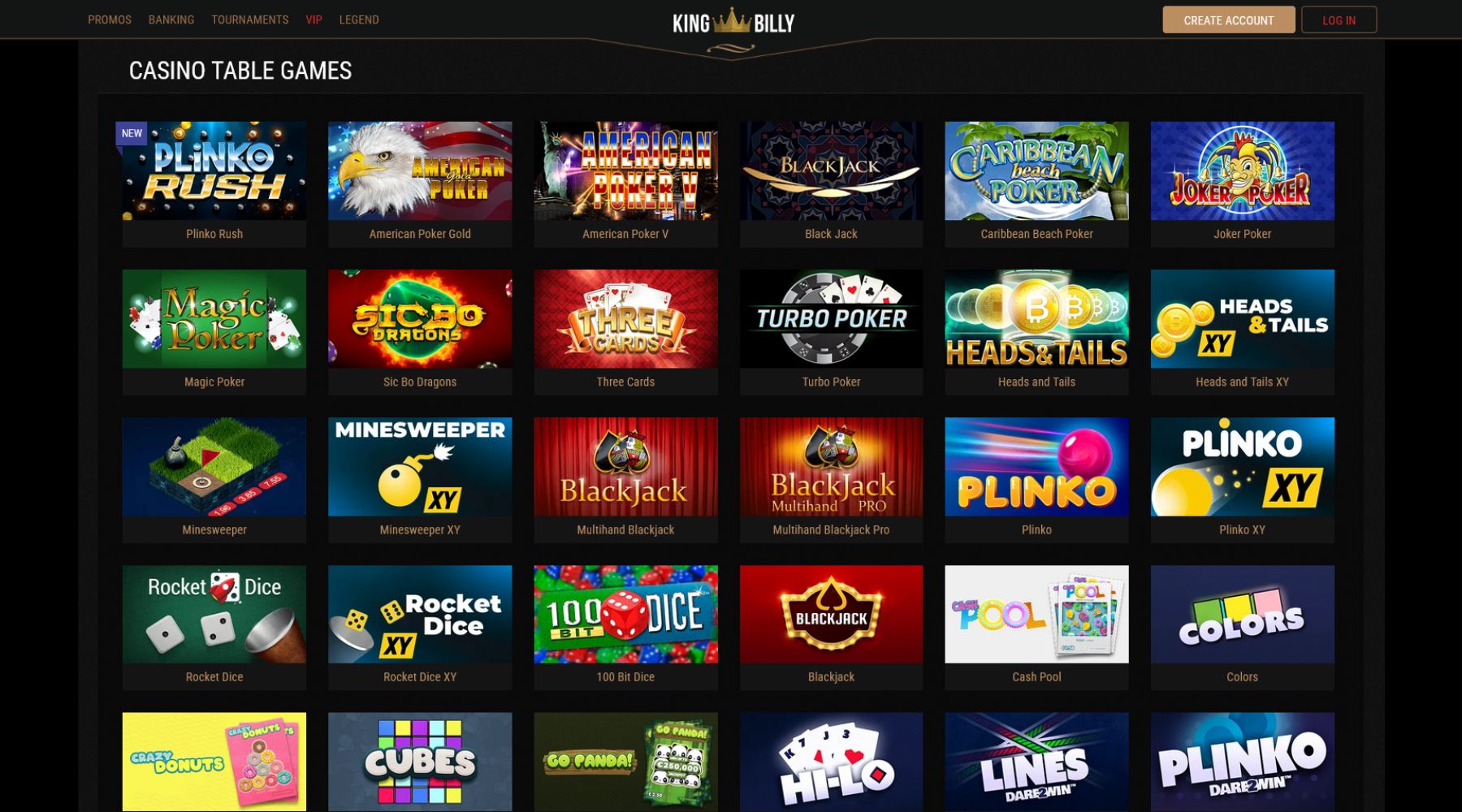
The variety of games offered by crypto casinos is rapidly expanding, mirroring the diversity found in traditional online casinos. Slot games remain incredibly popular, with developers constantly releasing new titles featuring innovative themes and exciting bonus features. Table games, such as blackjack, roulette, and baccarat, are also readily available, often with multiple variations to cater to different player preferences. Live dealer games, which stream real-time gameplay with professional dealers, provide an immersive and authentic casino experience. In addition, many platforms specialize in unique games like dice, plinko, and mines, often boasting provably fair mechanics. The core offering of platforms such as rollbit includes a constantly expanding portfolio of these types of titles.
Beyond the games themselves, platform features play a crucial role in the player experience. User-friendly interfaces, robust search functionality, and efficient customer support are essential. Many casinos also offer loyalty programs, VIP schemes, and regular promotions to reward players and encourage continued engagement. Features such as auto-betting, customizable betting limits, and detailed game statistics can also enhance the gaming experience. The overall goal is to create a seamless and enjoyable environment where players can easily find and play their favorite games.
The Rise of In-House Developed Games
Increasingly, crypto casinos are developing their own in-house games, providing a unique selling point and allowing them to offer exclusive experiences to their players. This trend is driven by a desire to differentiate themselves from the competition and exercise greater control over game design and fairness. In-house games often feature unique mechanics, innovative themes, and provably fair systems meticulously designed by the casino’s own developers. This allows for a higher degree of customization and responsiveness to player feedback. The development of these in-house titles also allows the casinos to control the house edge, potentially offering players more favorable odds.
However, it’s crucial for players to thoroughly research and vet any in-house games before playing, ensuring that the provably fair system is legitimate and transparent. Independent audits and verification can provide an added layer of assurance. Despite the potential risks, the trend towards in-house game development is likely to continue as crypto casinos strive to offer increasingly unique and engaging experiences.
- Faster transaction times compared to traditional casinos.
- Enhanced security through blockchain technology.
- Provably fair systems for verifiable game outcomes.
- A wider range of cryptocurrencies accepted.
- Potential for lower house edges on certain games.
The diversity and innovation within the crypto gaming space are constantly pushing boundaries, offering players more control and transparency than ever before.
Security Measures and Responsible Gambling
Security is paramount when engaging with any online casino, and crypto casinos are no exception. Robust security measures are essential to protect players’ funds and personal information. These measures typically include encryption technology to safeguard data transmission, two-factor authentication to prevent unauthorized access, and cold storage for the majority of cryptocurrency holdings. Reputable platforms also undergo regular security audits by independent firms to identify and address potential vulnerabilities. Furthermore, secure coding practices and vigilant monitoring for suspicious activity are vital components of a comprehensive security strategy. Failure to prioritize security can lead to devastating consequences, including theft of funds and identity theft.
Alongside robust security, responsible gambling practices are equally important. Crypto casinos should provide resources and tools to help players manage their gambling habits and prevent problem gambling. These tools might include deposit limits, self-exclusion options, and access to support organizations. Promoting responsible gambling is not only ethically sound but also essential for maintaining the long-term sustainability of the industry. Platforms must actively prioritize player well-being and create a safe and supportive environment.
Understanding Smart Contracts and Their Security
Many modern crypto casinos utilize smart contracts to automate processes and enhance transparency. Smart contracts are self-executing agreements written in code, and stored on a blockchain. They can be used to manage payouts, enforce game rules, and ensure fair play. However, smart contracts are not immune to vulnerabilities. Bugs in the code can be exploited by hackers, leading to loss of funds. Therefore, it’s crucial that smart contracts undergo thorough testing and auditing by reputable security firms before deployment. Regular audits and bug bounty programs can also help identify and address potential vulnerabilities.
Players should also be aware of the risks associated with smart contracts and only use platforms that prioritize security and transparency. Understanding the underlying technology and the potential risks can empower players to make informed decisions. The continued development and refinement of smart contract security protocols are essential for maintaining trust and confidence in the crypto gaming ecosystem.
- Enable two-factor authentication on your account.
- Use strong, unique passwords.
- Be wary of phishing scams.
- Only deposit funds you can afford to lose.
- Set deposit and loss limits.
Implementing these measures can significantly reduce the risk of falling victim to fraud and promote responsible gambling habits.
Future Trends and the Evolution of Crypto Gaming
The crypto gaming industry is poised for continued growth and innovation in the coming years. We can expect to see increased integration of virtual reality (VR) and augmented reality (AR) technologies, creating more immersive and engaging gaming experiences. The metaverse, a shared digital environment, is also likely to play a significant role, offering players new opportunities to interact with each other and participate in virtual economies. Further advancements in blockchain technology, such as layer-2 scaling solutions, will address the scalability issues that currently limit the widespread adoption of crypto gaming. The expansion of decentralized finance (DeFi) within the gaming space could also unlock new revenue streams and create innovative gameplay mechanics.
Furthermore, the increasing acceptance of cryptocurrencies by mainstream financial institutions will likely drive greater adoption of crypto gaming. As regulation becomes more clear and established, the industry will become more accessible to a wider range of players. The focus will remain on building trust, enhancing security, and providing players with a fair and transparent gaming experience. Platforms like rollbit will be key actors in shaping that future.
The Case for User-Generated Content and Gaming Economies
A compelling evolution on the horizon centers around user-generated content (UGC) and the creation of robust gaming economies. Imagine platforms not just offering pre-defined games, but empowering players to design, build, and monetize their own gaming experiences. This introduces a new layer of engagement and shifts the power dynamic, turning players into creators and stakeholders. Blockchain technology, particularly NFTs (Non-Fungible Tokens), provides the perfect infrastructure for this. NFTs can represent in-game assets, allowing players to truly own their digital possessions and trade them freely outside of the platform. This fosters a thriving marketplace where creativity is rewarded and players can generate income from their contributions.
The potential for these gaming economies extends beyond simple asset trading. Players could earn cryptocurrency by participating in game development, testing new features, or creating compelling content. This creates a virtuous cycle of engagement and innovation, attracting more players and developers to the platform. This model aligns incentives and fosters a sense of community ownership, setting a new standard for player engagement and long-term sustainability. It represents a significant departure from traditional gaming models and a promising direction for the future of online entertainment.