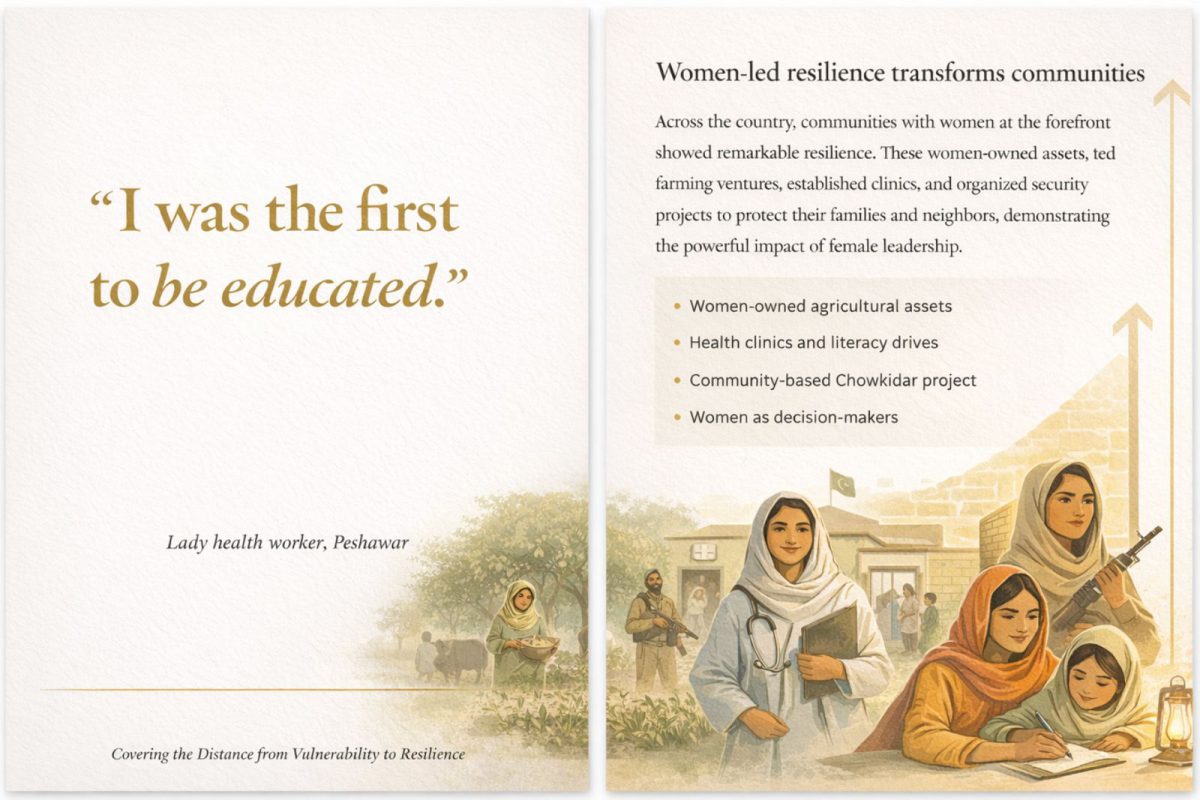
I was the first to be educated: Resilience is evident where women lead
Date: March 19, 2026
Where women own assets and have leadership roles, a ripple effect fosters broader community empowerment. As this research found, communities with women at the helm demonstrate far greater well-being and resilience. This finding corresponds with research in other parts of the world. The pattern is more apparent in more urbanized districts, and where women have better access to education. Even so, it is a rare characteristic that many communities can benefit from.
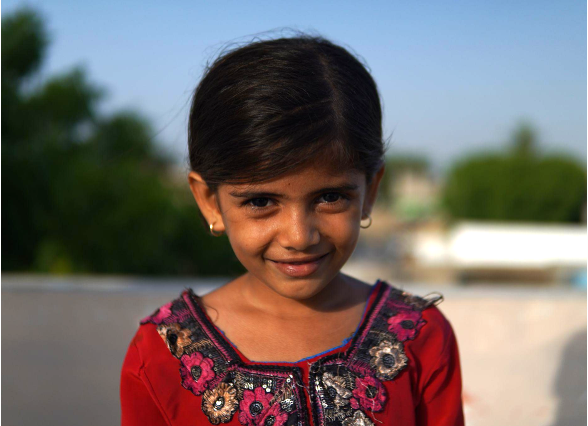
Women agriculture workers in Sheedi Goth, Karachi, own small tracts of land, with whose income they built small homes, and invested in their children’s education. The community has solar panels, pukka houses and political patronage, which is common to many other peri-urban communities. But the decision-making here is unique, as women decide much of what goes on from pricing agricultural produce to sons’ marriages. “Women can do anything. We have worked hard, and earned our success. But our boys waste time, and say they want to move closer to the city so they can enjoy themselves.”
Lady health workers in Peshawar felt that there were many barriers to establishing women’s leadership roles in communities. “The reason I was supported by my husband was that I was literate. I was the first girl to be educated at a college in my whole village, and I have encouraged many other girls to join technical fields. The main reason women aren’t taken seriously is that they are illiterate,” observed a lady health worker. They agreed that women use their empowerment to build their communities, especially engaging other women in productive roles, community mobilization, healthcare and education. “Women are critical for community health and resilience initiatives. In districts beyond our own, we have tackled immunization and disease prevention, despite security threats and resource constraints,” shared a lady doctor who had opened a clinic that provided free medication.
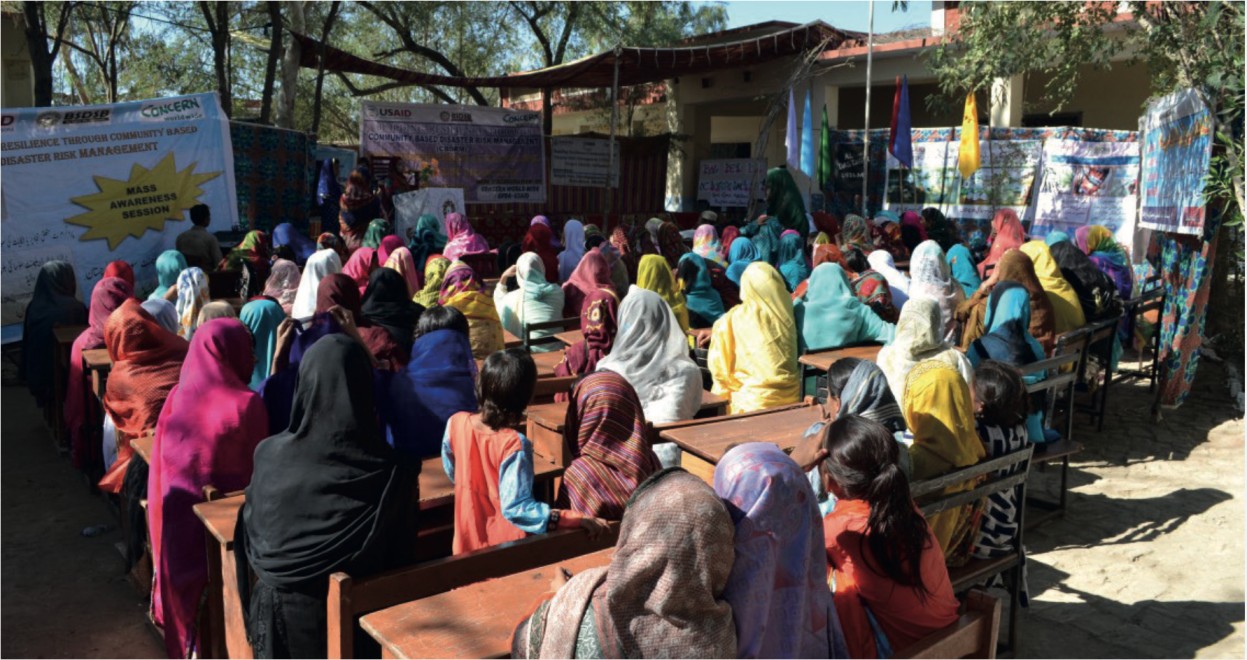
Women leaders from a religious minority in Peshawar shared how they had created a community ‘chowkidar project’ to protect households from targeted attacks. When they found a deteriorating law and order situation, and no official help forthcoming, they took it upon themselves to safeguard the community. They have also undertaken cleanliness drives and child immunization efforts in the village. Sharing resources, and jointly caring for each other was based on their sense of faith, they said.